

How Can Couples in Rolla, MO Confidently Start Menu Planning?
Couples in Rolla, MO often worry about organizing a wedding reception menu that pleases guests without causing unnecessary stress. Begin by listing the basics: possible guest count, known dietary needs, and the style of event you hope to create. Early menu planning eases logistical headaches and helps ensure you’ll meet both practical needs and expectations.
It’s common for local residents to make initial choices based on the season—summer events might call for lighter fare or food that holds up well outdoors, while colder months may be better suited to warm, heartier options. Jotting down meal ideas and allergies as they arise lets you build an adaptable plan, no matter what the weather or occasion brings.
What Menu Styles Work for Different Reception Settings?
The layout and feel of your venue often shape menu decisions. In community halls, parks, or backyards—frequent choices around Rolla—you may need to opt for serving styles that mesh with available space and facilities.
- Seated Dinners: Good for formal gatherings; works best with dependable kitchens or strong support for serving.
- Buffets: Popular for letting guests choose, but require careful arrangements for traffic flow and temperature control.
- Family-Style: Creates a communal feeling; can be less formal but needs room for large platters on tables.
- Food Stations: Interactive and flexible; let guests mingle and sample, but demand space and careful timing to keep food fresh.
It’s a misconception that seated dinners are always more complex; sometimes, a plated meal is easier to coordinate for a fixed number of guests, especially if kitchen space is limited.
How Should Dietary Needs and Preferences Be Addressed?
Addressing dietary restrictions early makes the event more comfortable for everyone. After initial invitations, discreetly ask about any allergies, vegan or vegetarian preferences, and special diets (such as gluten-free or dairy-free).
Practical steps:
- Record guest responses in your RSVPs for easy tracking.
- Consider integrating at least one option each for major needs—such as a dairy-free entrée or a nut-free dessert.
- Avoiding cross-contamination is key for severe allergies; clarify prep practices with anyone involved in meal creation or service.
Often, guests appreciate simple, clear labels at buffets or on printed menus, which helps prevent confusion and ensures everyone can eat confidently.
What Seasonal and Local Food Choices Make Planning Easier?
Using foods that are in season locally helps streamline menu planning and reduces both cost and stress. Fresh regional produce is especially reliable at Rolla’s farmers’ markets throughout the year. For example, tomatoes, sweet corn, and melons in summer, or root vegetables and apples in the fall, work well for large gatherings.
Rolla’s climate often makes it pleasant to include outdoor or picnic-style dishes in spring and early fall. Hot soups, breads, and roasted meats can be great choices for cooler months and keep well during longer receptions.
How Can Food Quantities Be Calculated to Avoid Stress?
Estimating the right amount of food is a major concern at local gatherings. Overestimating can create waste and unnecessary expense, while underestimating causes anxiety that guests may go hungry.
Here are some standard guidelines:
- For a main course, assume 6-8 ounces of cooked protein per guest.
- For side dishes or salads, 4-6 ounces per person generally works.
- Desserts or small sweets: Plan for 1.5 servings each, since some people will skip them while others take two.
Portion calculators or worksheets can help—but also account for the timing of your event (afternoon vs. evening or full meal vs. heavy appetizers). It’s a common misconception that you must offer extra "just in case"—planning to 10% above your guest list generally covers last-minute attendees or increased appetites.
What Time-Related Factors Should Be Considered?
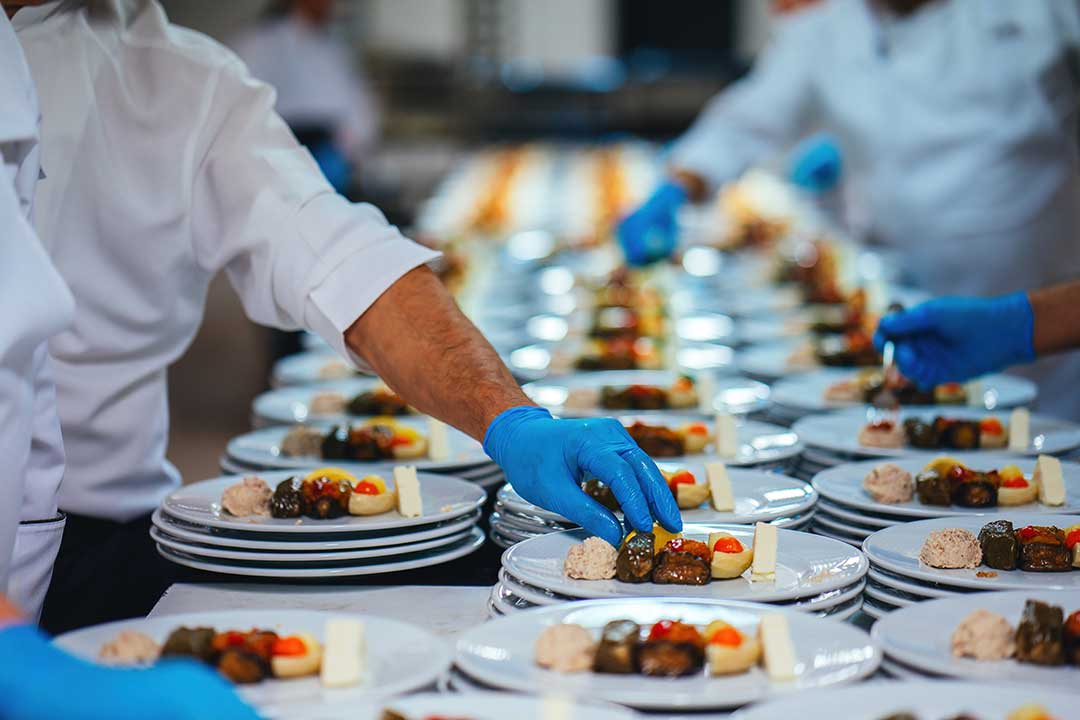
Weddings in Rolla may see fluctuating temperatures and light, so timing matters both for menu selection and service. For outdoor or tented events, factor in how sun or humidity could affect ingredients and serving times.
- Serve perishable foods promptly to avoid spoilage, especially in summer.
- For buffet-style service, keep foods at proper temperature (hot dishes hot, cold dishes chilled).
- Late-afternoon receptions may need lighter fare or an added snack, while evening events call for more substantial meals.
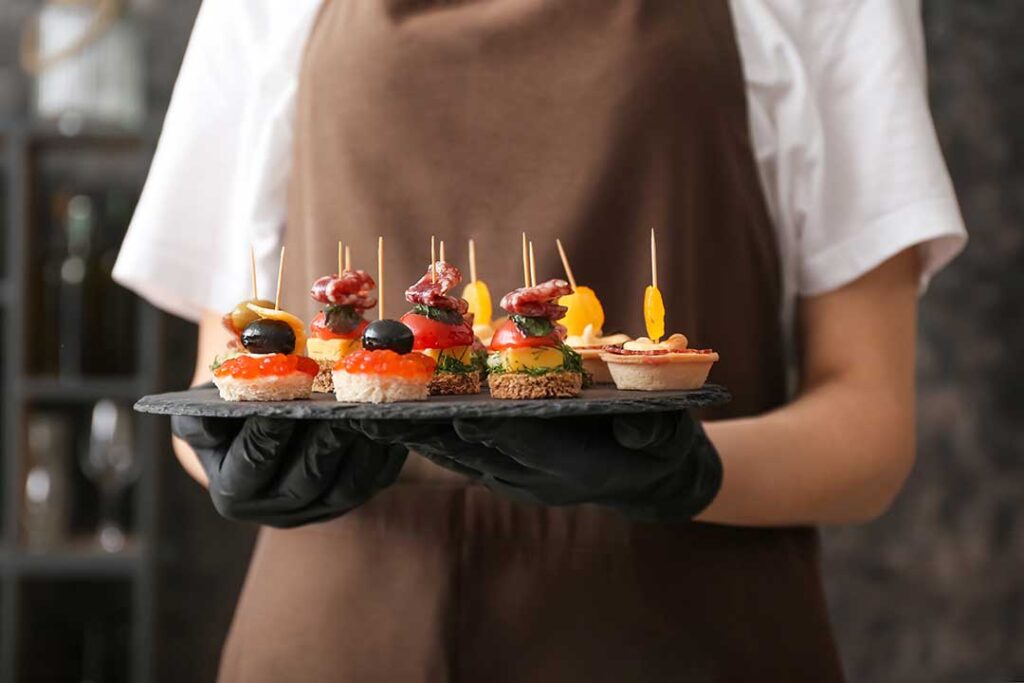
If running behind schedule, finger foods or ready-to-go snacks can keep guests happy while waiting on a main course.
Are There Special Considerations for Self-Serve and Family Events?
Self-serve options are common in the city for informal or family-driven receptions. These can reduce staffing needs but require attention to cleanliness and food safety.
- Set up clear serving lines with designated utensils for each dish.
- Use signage or colored markers to indicate allergens or diet-friendly choices.
- Assign a trusted family member or friend to keep dishes filled and organized, especially if the event spans several hours.
With family-centric gatherings, offering familiar favorites or family recipes can be comforting but confirm that serving those dishes in large quantities is feasible and safe.
What Details Are Often Overlooked in Menu Planning?
Many couples focus on big-picture items and forget practical details:
- Beverage choices: Include non-alcoholic options and water stations, especially for summer celebrations.
- Servingware: Consider whether you’ll use disposable plates and utensils, which are easier for backyard or park receptions, or reusable options for more formal gatherings.
- Cleanup: Plan ahead for waste disposal and make arrangements for food leftovers to minimize the post-event burden.
It can also be easy to overlook the needs of helpers and children. Having simple snacks, extra drinks, or kid-friendly foods on hand can make the day less stressful for everyone involved.