

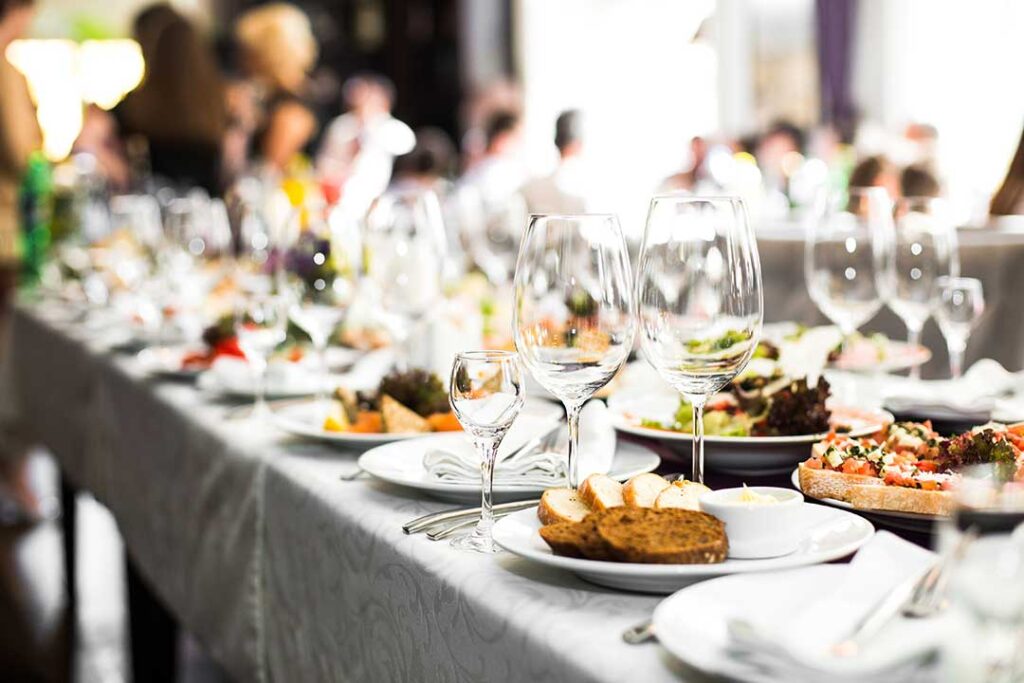
What food trends are shaping catering in 2026?
The strongest catering trends this year focus on flexibility, recognizable flavors, dietary inclusivity, and food that works well in real event settings. For residents planning gatherings in Rolla, MO, the most useful trends are not necessarily the most elaborate ones; they are the ideas that help guests eat comfortably, safely, and according to their preferences.
A successful menu still needs to arrive at the right temperature, serve efficiently, and fit the space. Trend-forward food is most practical when it supports those basics rather than creating extra complications.
Are plant-forward menus replacing traditional meat-centered catering?
Plant-forward catering is becoming more common, but it does not mean every menu must be vegetarian. The current approach places vegetables, grains, beans, and fruit in a more central role while keeping meat or seafood as one part of the meal.
Examples include:
- Grain bowls with roasted vegetables, herbs, and a choice of chicken or beans
- Seasonal vegetable platters with dips, spreads, and whole-grain breads
- Pasta dishes built around mushrooms, greens, squash, or tomato-based sauces
- Tacos, wraps, or sliders with both meat and plant-based fillings
- Hearty salads that include beans, lentils, nuts, seeds, or cheese
This format helps accommodate guests with different eating habits without requiring a completely separate meal for every person. It can also make buffet service easier because guests can build a plate according to appetite.
For gatherings in the area, seasonal planning matters. Warm-weather events may benefit from fresh produce, chilled salads, and grilled vegetables, while cooler months are better suited to soups, roasted root vegetables, baked grains, and substantial casseroles.
Why are familiar foods being presented in new ways?
Comfort food remains popular, but people increasingly expect familiar dishes to have a little more variety or visual appeal. This trend is sometimes described as elevated nostalgia: food that feels recognizable while incorporating better presentation, seasonal ingredients, or updated seasoning.
Practical examples include:
- Mini chicken-and-waffle portions
- Baked macaroni with vegetable additions or several topping choices
- Individual pot pies or savory hand pies
- Small portions of barbecue, meatloaf, or roast vegetables served with creative sides
- Dessert tables featuring updated versions of cookies, cobblers, puddings, or sheet cakes
The appeal is partly emotional and partly practical. Familiar dishes reduce uncertainty for guests, especially at family celebrations where children, older adults, or people with limited dietary preferences may be present.
Portion size is also changing. Smaller servings allow guests to sample several items without committing to a large plate of one dish. However, mini portions should not replace filling food entirely. A balanced event menu usually includes both bite-sized selections and substantial main dishes.
Are interactive food stations useful for local events?
Interactive stations are growing because they allow guests to customize meals and reduce the pressure of predicting exactly what everyone will want. They also give people a reason to move around and talk.
Common station formats include:
- A baked potato bar with vegetables, cheese, beans, and protein toppings
- A taco or grain bowl station
- A pasta station with sauces and add-ins
- A soup bar with breads, toppings, and garnishes
- A dessert station with fruit, sauces, and small baked items
These setups work best when the line is simple and clearly arranged. Too many choices can slow service, especially in a smaller indoor space or at a gathering with a short meal period.
Weather should also influence the layout. In warm months, foods that can sit safely in chilled containers are generally easier to manage than items requiring complicated outdoor cooking. In colder weather, hot stations can be appealing, but serving areas may need protection from wind, wet conditions, or uneven ground when an event is held outside.
What beverage trends should hosts expect?
Nonalcoholic beverages are receiving more attention in 2026. Guests often want something more interesting than plain water or a standard soft drink, while still having a choice that does not include alcohol.
Popular options include:
- Flavored sparkling water
- Fresh lemonades and fruit-based punches
- Iced tea with herbs, citrus, or seasonal fruit
- Coffee and tea service
- Alcohol-free mixed drinks with bitter, herbal, or spicy flavors
- Smoothies or small wellness-oriented drinks for morning events
A common mistake is treating nonalcoholic drinks as an afterthought. Beverages should be planned for the event’s time, temperature, and activity level. Outdoor summer gatherings may need more water and lower-sugar options. Morning meetings may call for coffee, tea, juice, and filling breakfast foods. Evening celebrations may benefit from a polished alcohol-free beverage that feels intentional rather than like a substitute.
Food safety is especially important for drinks containing dairy, fresh fruit, or ice. They require proper chilling and should not remain at room temperature for long periods.
How are global flavors appearing in catering?
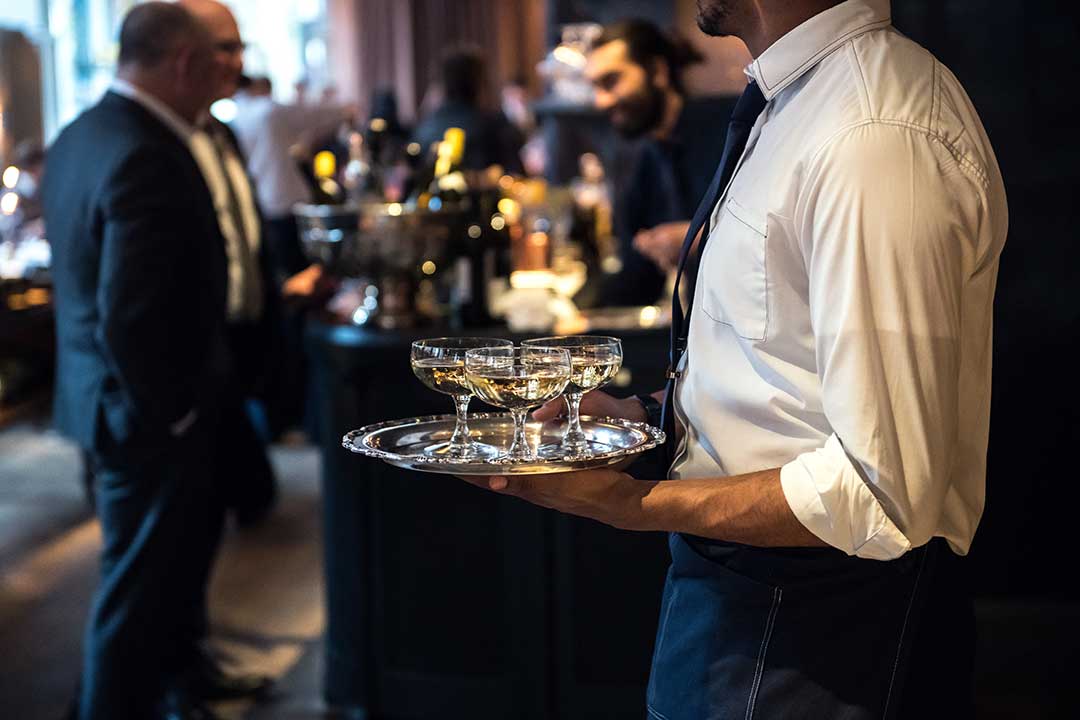
Menus are becoming more internationally influenced, but the most useful approach is often to introduce bold flavors through familiar formats. This makes the food approachable for guests who may not want an unfamiliar entrée.
Examples include:
- Rice bowls with spiced vegetables and grilled meat
- Flatbreads with roasted vegetables, herbs, and sauces
- Sliders with pickled vegetables or international seasoning
- Noodle salads served chilled for warm-weather gatherings
- Dips and spreads inspired by Mediterranean, South Asian, Latin American, or East Asian cooking
The goal is not to combine unrelated flavors simply to appear creative. A cohesive menu might use one flavor theme across the main dish, side, sauce, and beverage. Clear labels can also help guests identify spicy ingredients, nuts, dairy, gluten, or other common concerns.
Is sustainability becoming a larger part of catering?
Sustainable catering is increasingly connected to waste reduction and efficient planning rather than decorative claims. The most practical steps include accurate guest counts, sensible portioning, reusable service items where appropriate, and menu choices that use ingredients across several dishes.
For hosts, this may mean:
- Confirming attendance as closely as possible
- Choosing buffet quantities based on the event schedule
- Offering durable reusable serving pieces when the venue allows
- Selecting foods that remain appealing throughout the serving period
- Planning how leftovers will be stored, shared, or discarded safely
- Avoiding unnecessary single-use packaging
Food waste is often caused by overproduction, oversized portions, or a menu with too many separate ingredients. A shorter menu with well-planned variety can be more satisfying than a sprawling spread.
What should residents prioritize over novelty?
The most dependable catering trend is thoughtful flexibility. Guests appreciate clear food labels, reasonable portions, familiar choices, plant-forward options, appealing nonalcoholic drinks, and menus that match the season and setting.
Before choosing a fashionable dish, consider:
- How long the food must remain ready to serve
- Whether the venue has reliable electricity, refrigeration, or shelter
- How guests will move through the serving area
- Whether children and older adults can eat the food comfortably
- How dietary needs will be identified and handled
- Whether the menu offers enough protein, vegetables, starches, and beverages
In Rolla, seasonal weather can shift quickly, and events may take place in homes, community spaces, workplaces, or outdoor settings. Menus that are adaptable, clearly labeled, and easy to serve will usually perform better than menus built entirely around novelty.
The most successful food trend in 2026 is therefore not a particular ingredient. It is the move toward catering that gives guests more choice while making the event easier to manage.