

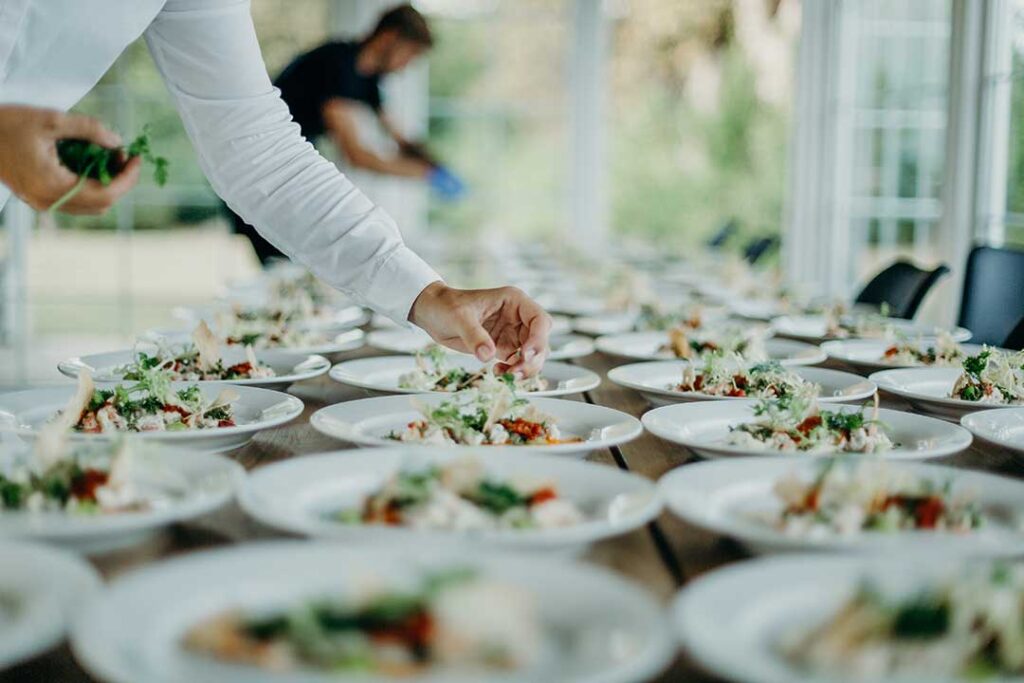
Seasonal catering menus work best when they match the weather, the event setting, and the way guests are likely to eat. In Rolla, MO, that often means planning for warm indoor meals during cold months, lighter foods during humid summer gatherings, and flexible dishes during spring and fall when temperatures can change quickly.
A strong menu does more than reflect the calendar. It should also hold safely, travel well, serve different age groups, and fit the formality of the gathering.
What makes a dish suitable for seasonal catering?
The best seasonal dishes are flavorful, practical to serve, and dependable outside a home kitchen. They should remain appealing while being held for service and should not require complicated preparation at the table.
Useful qualities include:
- Ingredients that are naturally abundant or appropriate for the season
- Textures that remain pleasant after transport and serving
- Portions that are easy to manage in buffet, family-style, or boxed formats
- Options that can be served warm, chilled, or at room temperature as appropriate
- Enough variety for guests with different preferences
- Simple labeling for common allergens and dietary needs
Seasonality should guide the menu without making it overly narrow. A winter gathering does not need to rely only on heavy foods, and a summer menu can include a warm entrée if the meal is balanced with fresh sides.
Which dishes work well for spring events?
Spring menus benefit from bright flavors, fresh vegetables, and moderate portions. The season often brings changing temperatures, so dishes that can be served in either indoor or outdoor settings are especially useful.
Good spring choices include:
- Lemon-herb chicken with roasted vegetables
- Baked pasta with spinach, mushrooms, or asparagus
- Spring vegetable grain salads
- Quiche or savory breakfast casseroles
- Turkey or chicken salad served with fresh greens
- Strawberry, citrus, or mixed-fruit desserts
- Chilled pasta salads with a light vinaigrette
For brunches, egg casseroles, roasted potatoes, fresh fruit, yogurt, and whole-grain breads create a balanced spread without making the meal feel too heavy. Sandwich fillings, salads, and vegetable trays are practical for graduation celebrations, showers, and daytime community events.
Outdoor spring gatherings require extra planning. Wind can affect serving dishes and disposable tableware, while cool mornings may make chilled foods less appealing. A menu with both room-temperature and warm components gives guests more comfortable choices.
What are practical summer catering dishes?
Summer menus should emphasize freshness, hydration, and foods that are comfortable to eat in warm weather. Grilled or roasted proteins pair well with crisp salads, fruit, and cold side dishes.
Reliable summer options include:
- Grilled chicken, pulled pork, or sliced roast beef
- Pasta salad with vegetables and a light dressing
- Fresh corn, tomato, cucumber, or bean salads
- Watermelon, berries, melon, and other cut fruit
- Slaw made with vinegar-based dressing
- Cold sandwiches, wraps, and pinwheel appetizers
- Lemon bars, fruit crisps, or chilled desserts
For outdoor events, mayonnaise-based salads and cream-filled desserts require careful temperature control. Foods that spoil quickly should not sit in the heat for extended periods. Smaller serving containers, shade, insulated carriers, and frequent replenishment are safer than placing the entire meal out at once.
Summer menus also benefit from foods that do not require extensive knife work. Guests may be standing, moving between tables, or eating outdoors, so handheld portions and sturdy plates can make the meal easier to manage.
What foods are best for fall gatherings?
Fall is well suited to comforting dishes with roasted vegetables, apples, squash, grains, and savory herbs. Menus can become more substantial without relying entirely on rich sauces or oversized portions.
Popular fall-style dishes include:
- Roast chicken or turkey with herb gravy
- Beef stew or vegetable stew
- Baked macaroni and cheese with a vegetable side
- Stuffed squash or grain-filled peppers
- Roasted root vegetables
- Apple, pear, or pumpkin desserts
- Hearty soups served with bread or rolls
For evening events, soup and stew stations can be practical, but they require stable serving equipment and careful monitoring of temperature. A thick soup or chili is generally easier to serve than a thin broth-based soup in a crowded setting.
Fall weather can shift quickly, especially for events using patios, tents, or open-air venues. Warm food is welcome, but a menu should still include a few items that hold well if guests are delayed or the meal schedule changes.
Which dishes suit winter catering?
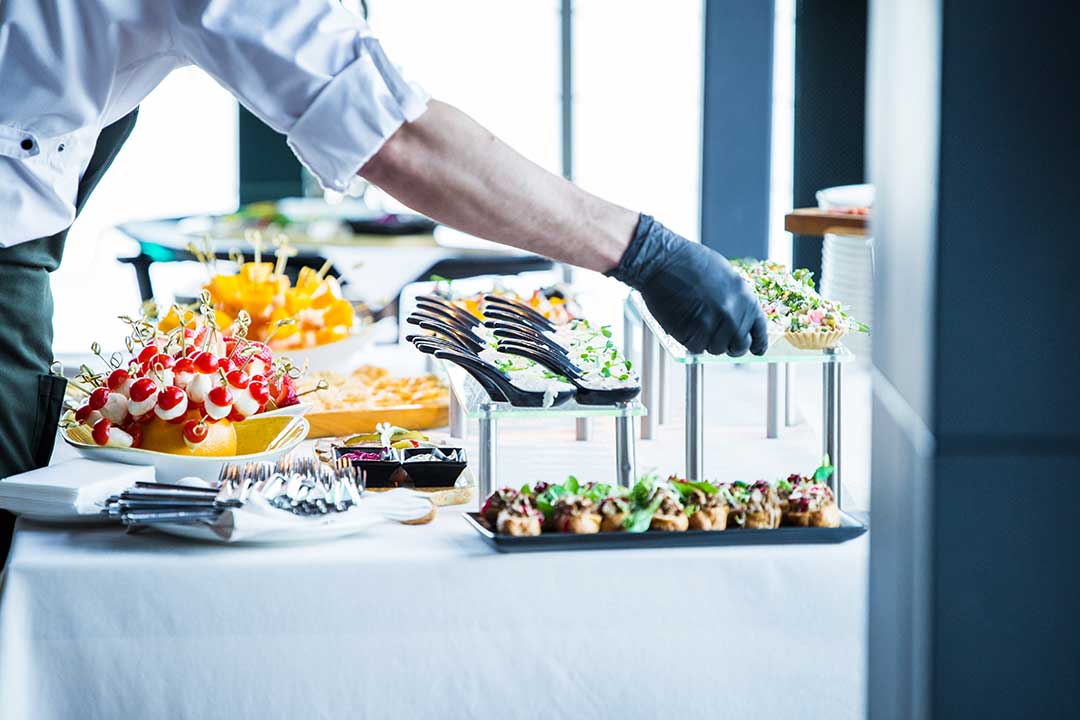
Winter menus are strongest when they provide warmth, comfort, and dependable holding quality. Braised meats, casseroles, soups, roasted vegetables, and baked dishes are often easier to serve successfully during cold weather.
Useful winter menu ideas include:
- Chicken and rice casserole
- Lasagna or baked ziti
- Pot roast with root vegetables
- Hearty chicken, beef, or bean chili
- Creamy potato or vegetable soup
- Roasted vegetables with grains
- Warm bread, rolls, or cornbread
- Baked fruit desserts or bread pudding
A winter menu does not have to be especially rich. Lean proteins, roasted vegetables, beans, and whole grains can create a satisfying meal without excessive butter, cream, or cheese.
For indoor gatherings, the menu should account for limited kitchen space, crowded serving areas, and the possibility that guests will arrive at different times. Dishes that can be portioned consistently and replenished in batches are often more practical than foods that must be assembled individually.
How should menus change for different types of events?
The event format matters as much as the season. A formal dinner allows for plated courses, while an open house may require foods that guests can eat in small portions over several hours.
For buffets, choose dishes that can be served neatly with standard utensils. For standing receptions, use small portions, skewers, cups, or handheld foods. For family-style meals, include generous shared sides and dishes that can be passed without spilling.
Breakfast and brunch menus often work well with:
- Egg casseroles
- Fresh fruit
- Breakfast potatoes
- Muffins or breads
- Yogurt and granola
- Coffee, tea, and water
Lunch menus may center on sandwiches, wraps, soups, salads, and fruit. Dinner menus usually need a clear protein or main dish, two sides, and a dessert or lighter finish.
A useful rule is to offer one familiar choice, one vegetable-forward choice, and one option that meets a common dietary need. This provides variety without creating an unwieldy menu.
How can a seasonal menu accommodate dietary needs?
Dietary accommodations should be considered during menu planning rather than added as an afterthought. Clearly identified vegetarian, gluten-free, dairy-free, or nut-free dishes can help guests choose confidently.
Separate preparation may be necessary for guests with serious allergies because shared utensils, cutting boards, serving pans, and cooking surfaces can create cross-contact. Labels should describe the dish accurately and identify major ingredients when appropriate.
A menu does not need a separate version of every dish. For example, a roasted vegetable and grain entrée, a bean salad, or a naturally dairy-free soup may serve several dietary needs at once. Sauces and dressings can sometimes be offered separately so guests can adjust their portions.
What is often overlooked in seasonal menu planning?
Weather is only one part of seasonal planning. Transportation time, serving equipment, refrigeration, indoor heating, outdoor shade, and the event schedule also affect food quality.
Portion size deserves attention as well. Guests often eat less at daytime meetings and more at evening celebrations. Children, older adults, and guests standing for long periods may prefer smaller portions or easy-to-handle foods.
In the Rolla area, household gatherings, school-related events, workplace meals, and community celebrations may take place in homes, halls, outdoor spaces, or multipurpose rooms. Menus that can adapt to different kitchens and serving layouts are generally more dependable than dishes requiring specialized equipment.
The most successful seasonal menus balance flavor with practical service. Fresh ingredients add interest, but familiar foods, clear choices, safe holding practices, and thoughtful portions are what help a gathering run smoothly.