

What Are the Main Types of Catering Services?
Catering comes in several forms, each designed for specific kinds of events or group needs. In Rolla, MO, residents encounter options such as full-service, drop-off, buffet, plated, and specialty catering. These services vary in terms of food presentation, staffing, and the type of events they suit. Understanding the differences helps local households and organizations plan gatherings that fit their expectations, budget, and venues.
How Does Full-Service Catering Work?
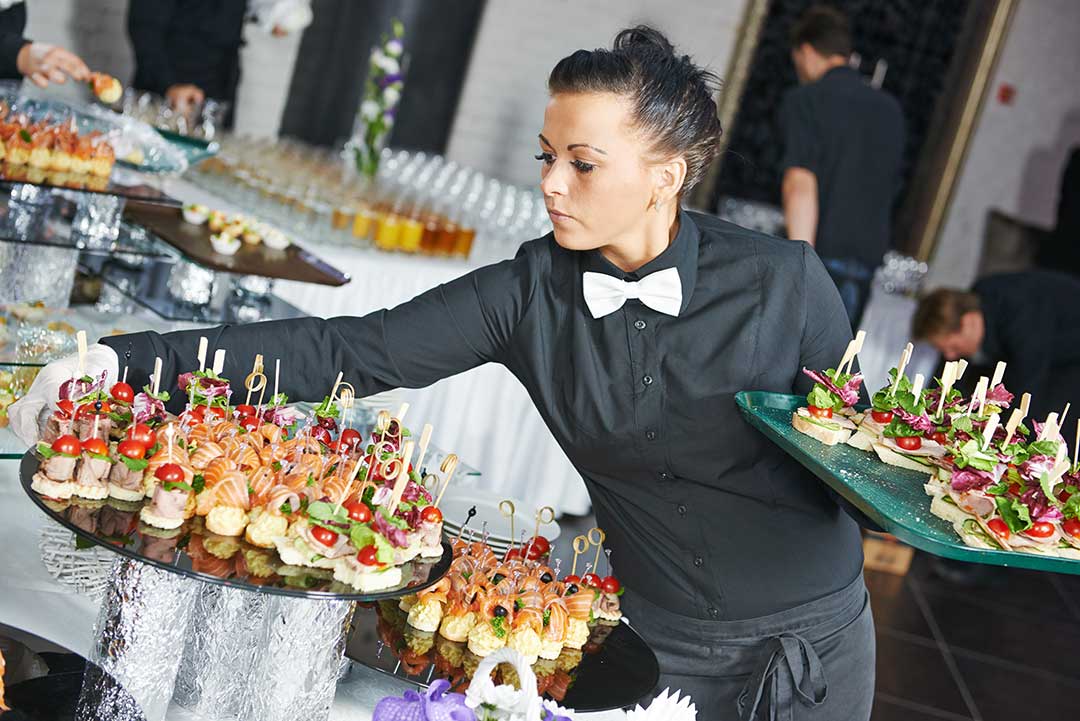
Full-service catering is the most comprehensive option. This includes food preparation, onsite cooking when necessary, delivery, setup, serving, and even cleanup. Here’s how it generally works:
- Staff handle everything from serving plated meals to managing a buffet line or food stations.
- Rental and arrangement of tableware, linens, and sometimes décor come included.
- Suitable for weddings, formal banquets, or large milestone celebrations where a smooth, coordinated experience is important.
In Rolla, this option is often chosen for events with multiple courses or where hosts want minimal logistical worries. However, it tends to have the highest cost due to labor and equipment.
What Is Drop-Off Catering and When Is It Useful?
Drop-off catering delivers prepared meals to the event location but does not include setup or service. This arrangement is popular for casual business meetings, small family gatherings, and potlucks.
Key details:
- Food arrives ready to eat, typically in disposable trays or containers.
- Hosts manage setup, serving, and cleanup.
- It offers flexibility for homes, schools, or park gatherings around the city.
- Weather and food safety should be considered, especially during warm and humid Ozark summers.
Drop-off catering is valued for convenience and budget-friendliness, especially when hosts have help or prefer to handle logistics themselves.
How Does Buffet Catering Differ from Plated Service?
Buffet and plated catering are the most common formats for larger gatherings:
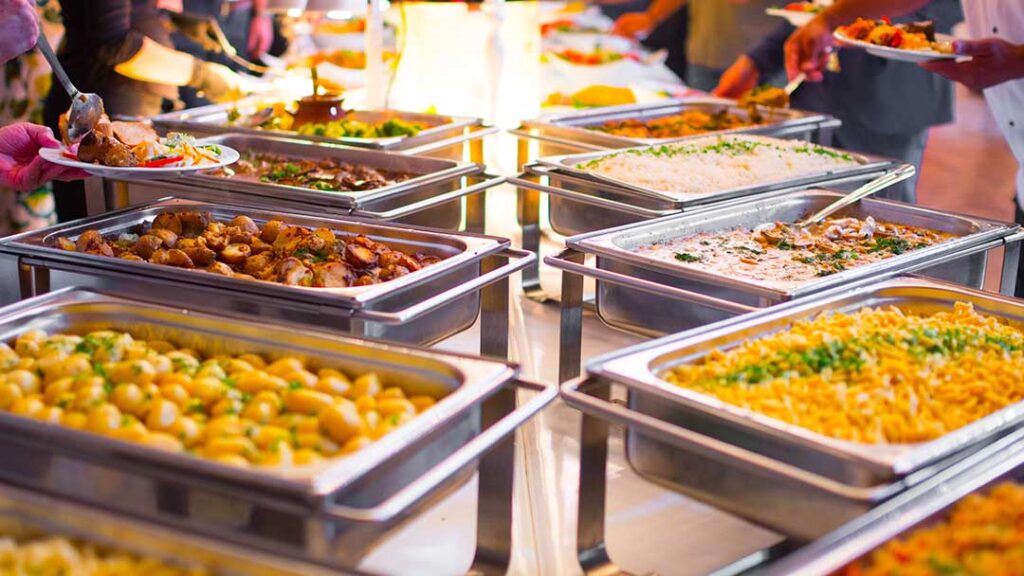
- Buffet Catering: Food is arranged on tables for guests to serve themselves or be served by staff. Buffets allow for variety and guests choosing portion sizes, which is helpful for mixed-age or multi-diet events.
- Plated Service: Meals are assembled in the kitchen or a staging area and brought to guests at their seats. This creates a more formal feel and helps control timing and portioning.
In practice, buffets work especially well for graduation parties, community functions, and holiday events where mingling and flexible meal times are desired. Plated service is usual for fundraising banquets, gala dinners, or smaller, seated affairs where a polished touch is important.
What Are Food Stations and Interactive Catering Options?
Food stations break up the traditional buffet by featuring several themed mini-buffets or chef-manned tables spread throughout the venue. Examples include taco bars, pasta stations, or dessert decorating set-ups.
Benefits:
- Guests engage directly with chefs or customize their plates.
- Encourages movement and socializing, ideal for larger venues or receptions.
- Suits events where variety and guest interaction are part of the experience.
These setups require careful planning of space and power access, particularly in community centers, rented halls, or outdoor settings common in and around Rolla.
Can Catering Meet Special Dietary Needs?
Local catering services typically offer menus accommodating allergies, gluten-free, vegetarian, vegan, or religious dietary requirements. Events with diverse guests benefit from discussing these needs early in planning, as some accommodations may require separate preparation or special packaging.
Residents should:
- Ask about allergen controls, especially when guests have severe sensitivities.
- Be specific about needs to ensure safe, suitable food options.
- Consider labeling or requesting ingredient lists for larger gatherings.
Does Catering Always Include Beverages and Desserts?
Not all catering packages include beverages or desserts by default. Some companies offer them as add-ons, while others partner with bakeries or specialty beverage vendors. For events like birthdays, reunions, or picnics, area households may sometimes provide their own drinks or sweets to control costs or highlight family recipes.
Common questions for organizers:
- Are coffee, iced tea, or lemonade included?
- Will alcohol require separate licensing or staffing?
- Is there an extra fee for cakes or specialty desserts?
Understanding these details helps avoid last-minute surprises, especially when planning in community halls or outdoor venues where drink service may have extra rules.
What Local Factors Should Residents Consider When Choosing Catering Types?
Weather, venue amenities, and group size all influence the best catering choice for Rolla events.
- Summer heat and humidity can affect outdoor food safety and comfort.
- Large venues may need more staff or equipment for full-service or buffet setups.
- Smaller spaces or home gatherings suit drop-off or plated service with simplified arrangements.
Area residents often coordinate with venue managers or community spaces to clarify kitchen access, timeline restrictions, and disposal policies. Considering these practicalities can ensure smoother event logistics and guest satisfaction.