

How Do Buffet and Plated Catering Differ?
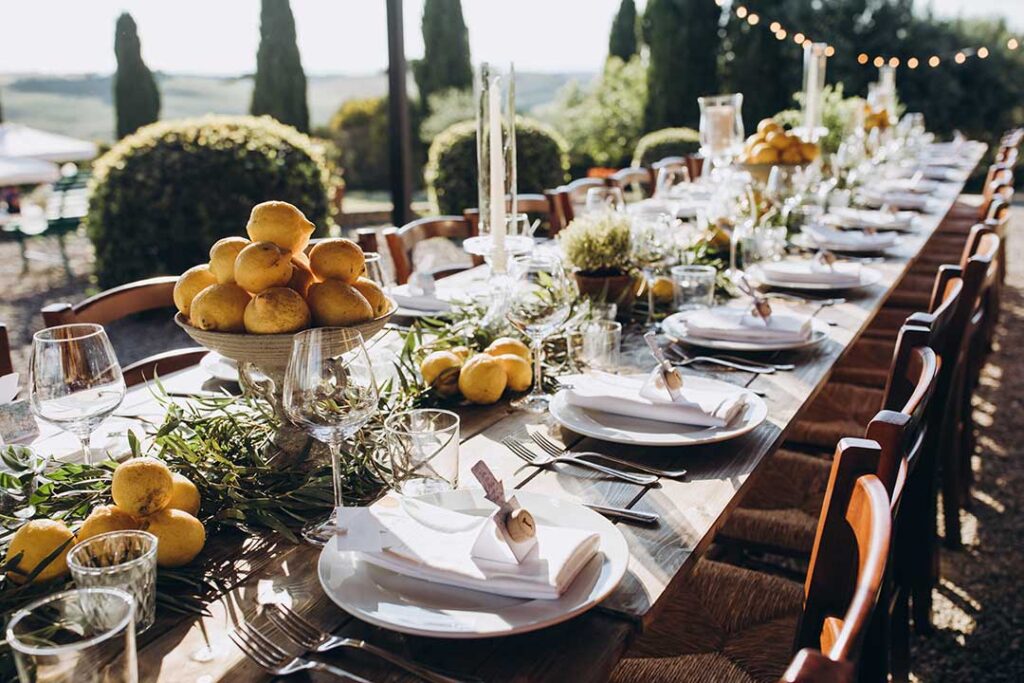
Buffet and plated catering are the two most common formats for serving food at local events. Each style offers a unique experience and comes with its own logistical considerations.
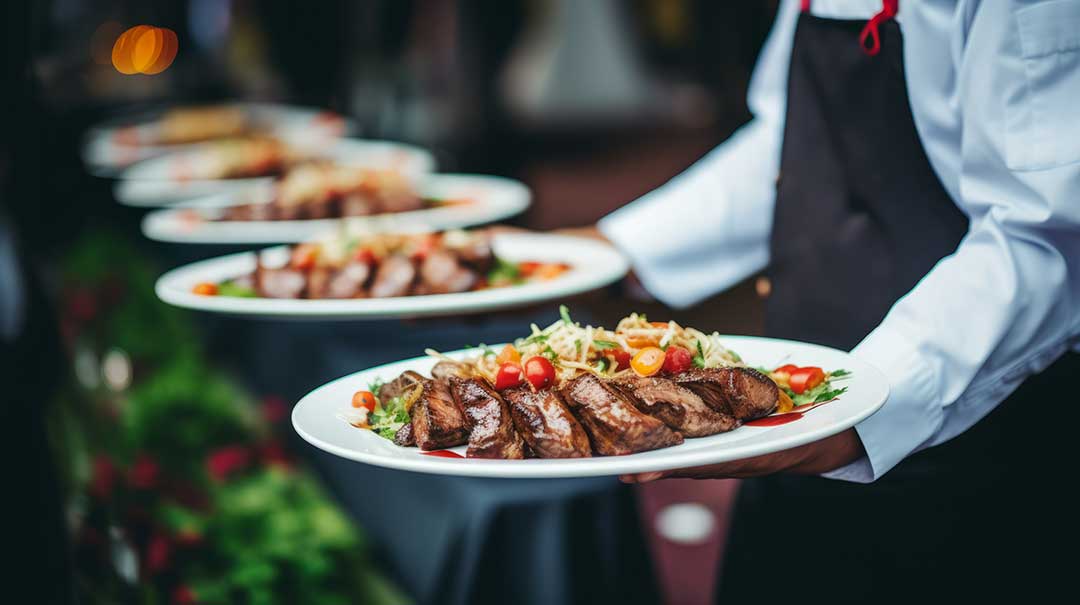
Buffet catering sets out food in serving stations so guests can help themselves and choose what they want, often returning for seconds. Plated catering, on the other hand, involves guests being served individually at their tables by staff, with each plate prepared and portioned in advance.
When Is Buffet Catering a Good Choice?
Buffet setups work particularly well for larger groups, informal gatherings, or events where socializing and movement are encouraged. In Rolla, community picnics, graduation parties, and reunions often lean toward buffets because they accommodate varied tastes and allow for flexible pacing.
Buffets can feature both hot and cold dishes, usually arranged in a single line or several stations. Local event organizers often prefer buffets for:
- Customizable meal sizes—guests choose portions that fit their appetite.
- Larger venues, such as local halls, where space for longer tables is available.
- Situations where mingling is expected, like casual receptions or club meetings.
However, buffets require space for lines to form and more time for everyone to be served, which can sometimes create congestion if a venue is small or if guest mobility is a concern.
What Are the Advantages of Plated Catering?
Plated service brings a sense of formality and structure. For birthdays, anniversaries, and weddings held in area banquet rooms or at home, a plated meal delivers food directly to guests at their seats. This method is often chosen for events with scheduled toasts, speakers, or entertainment, since it minimizes disruptions.
Key benefits include:
- Predictable pacing—everyone is served at nearly the same time.
- Elegant presentation—aesthetics are often prioritized, elevating the occasion.
- Clear control over portions and meal choices, which can help manage dietary preferences when selections are made in advance.
Plated service does require more staff and can carry higher per-person costs. It can also limit menu flexibility compared to a buffet.
Are There Misconceptions About Buffet and Plated Styles?
Many assume buffet is always less expensive, but that is not always the case. While buffet service can reduce labor, food costs may rise if guests take larger portions or return for seconds. Conversely, plated meals ensure tighter control over both quantities served and waste but can introduce staffing costs that offset savings.
Another misconception is that buffets are inherently less formal. The design and supervision of the serving line, the dish selections, and even décor can make a buffet feel upscale, depending on the planner’s choices.
What Should Residents Consider When Choosing for Local Events?
Event location, size, and the expectations of guests are practical starting points for making the right choice. In the city, many gatherings take place in multipurpose spaces that might have limited layouts, so it helps to:
- Check if there is adequate space for guests to line up at buffets, or if service tables will interfere with movement.
- Consider the age and mobility of guests—buffets can be a challenge for those who find it difficult to stand or carry plates over distances.
- Factor in climate and timing—outdoor buffets held in humid Missouri summers will need plans for food safety and shade, while indoor plated service can offer predictable comfort regardless of weather.
Timing matters as well. If an event runs on a tight schedule, a plated meal can keep things moving smoothly. Buffets allow for a more relaxed timeline but may be difficult to coordinate if there are multiple courses or activities planned.
How Do Dietary Needs Influence the Decision?
Both formats can accommodate dietary restrictions, but in different ways. Buffets offer visible variety and allow guests to select items that fit their needs (like gluten-free or vegetarian options), but cross-contamination is a risk if serving utensils are shared between dishes.
Plated meals, by contrast, allow the host to provide for dietary preferences with assured separation, since plates are prepared individually. This method works best when event organizers gather specific meal choices from guests ahead of time.
Locally, where gatherings frequently include guests with differing allergies or food preferences, clear communication in advance helps ensure everyone is comfortable, regardless of format.
Does the Format Impact Staffing or Cleanup?
Buffets generally need fewer serving staff but require more attention to replenishment and food safety monitoring, especially at longer events. Plated service demands more staff for table service but can streamline the pace of the meal and make cleanup more straightforward since servers collect plates directly.
For events held in community centers or private homes in the area, available help or the willingness to hire extra hands may tip the balance between buffet and plated choices.
What Are Common Overlooked Factors for Local Hosts?
- Accessibility: Thoughtful event planners consider not just the available space, but also accessibility for guests who might struggle with carrying plates or navigating crowded lines.
- Food Safety: In the city, where summer temperatures and humidity can change quickly, hot foods need chafing dishes or warmers, and cold dishes may require ice baths, regardless of the format chosen.
- Waste Management: Plated meals usually control waste better, but buffets can generate more food leftovers if guest numbers aren’t closely estimated.
By weighing the size of the gathering, the needs of guests, and practical site logistics, hosts in the community can make a better-informed choice that leads to a smooth and enjoyable event.