


Planning finger foods for a cocktail party involves more than choosing attractive snacks. The most successful spread offers a mix of textures, temperatures, flavors, and portion sizes while allowing guests to eat comfortably with one hand. For gatherings in Rolla, MO, practical details such as indoor space, seasonal weather, travel time, and food holding conditions can also affect the menu.
What makes a finger food work well at a cocktail party?
A good cocktail-party bite is small, stable, easy to pick up, and flavorful enough to stand on its own. Guests should not need a knife, fork, or full plate for every item.
Useful characteristics include:
- Two or three bites at most
- Minimal dripping or crumbling
- A firm base, such as toasted bread, pastry, lettuce, or a skewer
- A clear contrast in flavor or texture
- Ingredients that remain appealing while guests mingle
Finger foods should also be easy to identify. A platter with clearly recognizable items helps guests make quick choices, especially when some attendees avoid specific ingredients because of allergies, dietary preferences, or religious restrictions.
Which types of finger foods create a balanced menu?
A varied menu usually works better than a large quantity of similar items. Aim for several categories rather than filling the table with only sandwiches, fried foods, or cheese-based appetizers.
A balanced selection might include:
- Fresh bites: cucumber rounds with herbed spread, endive leaves with chicken salad, or melon wrapped with cured meat
- Warm savory items: mini meatballs, stuffed mushrooms, vegetable pastries, or small chicken skewers
- Hearty choices: pulled pork sliders, miniature baked potatoes, or individual savory tarts
- Seafood options: shrimp skewers, smoked fish on rye crisps, or crab-filled pastry shells
- Vegetarian choices: roasted vegetable bruschetta, spanakopita-style triangles, or crisp chickpea fritters
- Sweet finishes: chocolate-dipped fruit, mini lemon bars, bite-sized cookies, or small fruit tartlets
A useful rule is to provide at least one substantial option. Guests may enjoy delicate appetizers, but a party lasting several hours calls for something more filling than crackers and garnishes.
How many pieces should be prepared per guest?
The amount depends on the event length and whether a full meal will follow. For a two-hour gathering with drinks and no formal dinner, planning approximately 10 to 14 pieces per guest is a reasonable starting point. For a shorter reception or a party with a meal afterward, 5 to 8 pieces per guest may be enough.
Adjust the count for the guest list:
- Prepare more food when the party falls near a normal mealtime.
- Add extra portions for guests who arrive early or stay late.
- Increase the amount of familiar, filling foods if children or teenagers will attend.
- Plan additional servings of vegetarian items rather than treating them as decorative alternatives.
- Keep a small reserve chilled or covered so the entire supply does not need to be placed out immediately.
It is usually more practical to prepare a moderate variety in dependable quantities than to offer a dozen choices with only a few pieces of each.
What are some creative combinations beyond standard appetizers?
Creativity often comes from combining familiar ingredients in a different format. The food does not need to be unusual to feel special.
Consider ideas such as:
Miniature regional comfort-food bites
Turn familiar main dishes into smaller portions. Examples include biscuit cups filled with sausage gravy, miniature chicken-and-waffle skewers, or small cornbread rounds topped with pulled chicken and slaw. These options can suit casual gatherings while still looking organized on a serving tray.
Layered bites
Use a sturdy base, a spread, a main ingredient, and a garnish. Toasted baguette slices can hold whipped cheese, roasted vegetables, and herbs. Crisp crackers can support egg salad, smoked fish, or roasted red peppers. Layered foods are easy to customize, but soft toppings should be added close to serving time.
Skewered combinations
Short skewers keep ingredients together and reduce the need for utensils. Try tomato, mozzarella, and basil; grilled chicken with pineapple; or roasted vegetables with marinated beans. Use blunt-ended picks if young children will be present, and provide a clearly marked area where used skewers can be discarded.
Handheld pastry
Pastry provides a useful structure for fillings such as mushrooms, spinach, caramelized onions, cheese, or seasoned meat. Small turnovers and tartlets can be prepared ahead, but they should be protected from excess moisture so the crust remains crisp.
Fresh lettuce cups
Lettuce leaves can hold chicken, tofu, shrimp, or finely chopped vegetables. They offer a lighter alternative to bread and work well for guests who want a fresh option. Choose leaves that are broad enough to hold the filling without tearing.
How can finger foods be kept safe during a party?
Food safety depends on time, temperature, cleanliness, and careful replenishment. Perishable foods should not sit at room temperature for an extended period. Keep cold foods properly chilled and warm foods hot, using suitable serving equipment when necessary.
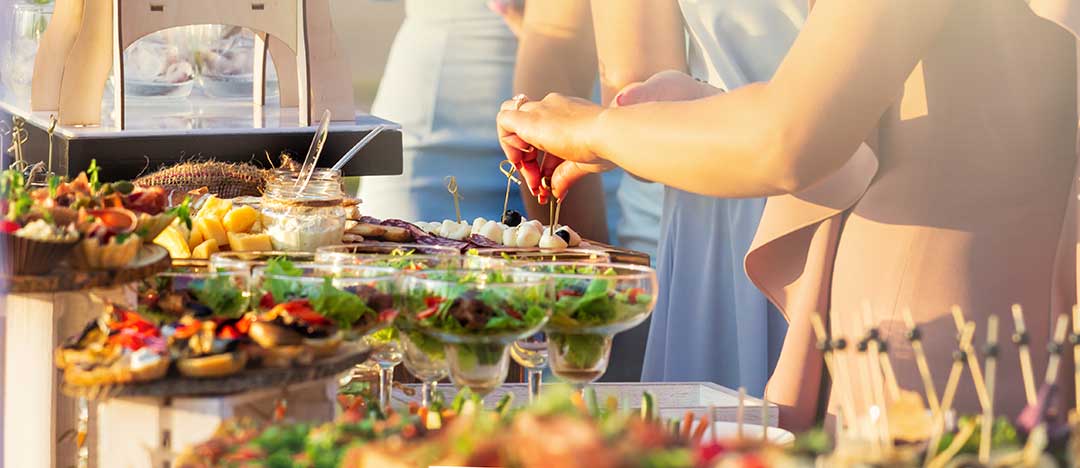
A practical approach is to:
- Put out smaller platters and refill them from refrigerated or heated reserves.
- Keep seafood, dairy-based dips, meat, poultry, and egg dishes especially well chilled.
- Avoid placing hot food directly beside cold food on the same crowded tray.
- Use separate utensils for each dish.
- Label foods containing common allergens such as nuts, shellfish, eggs, dairy, wheat, or soy.
- Replace serving pieces that become contaminated rather than simply wiping them clean.
For outdoor gatherings, changing weather can create additional concerns. Warm, humid conditions may shorten the safe display time for perishable items, while wind can carry dust, leaves, and insects onto uncovered food. In cooler months, an indoor setup still benefits from keeping trays away from heat sources and direct sunlight.
What should be considered for a home gathering in Rolla?
Homes in the community may range from compact apartments to larger houses with open living areas, basements, porches, or outdoor seating. The best menu depends partly on the available serving and refrigeration space.
For a smaller indoor gathering, select foods that can be arranged on one or two trays without crowding. Avoid items that require frequent carving, complicated assembly, or a large warming station.
For a porch, patio, or backyard event, choose foods that tolerate brief handling and are easy to cover. Seasonal temperature swings can make spring and autumn gatherings comfortable, but food may still warm quickly in direct sun or cool unevenly after sunset.
Weather also affects guest behavior. In colder months, people may gather near entryways while removing coats, so a narrow food table can create congestion. During warmer months, placing beverages separately from the food helps reduce traffic and keeps guests from reaching across serving trays.
How should the food table be arranged?
Arrange food so guests can move from plates and napkins to savory items, fresh choices, and sweets without crossing paths. Place sauces and dips near the foods they accompany, and provide small spoons or picks instead of expecting guests to share one utensil.
Use different heights to make the table easier to read. Low platters, shallow bowls, and a few raised trays can create visual separation without requiring elaborate decoration. Keep hot foods close to a safe power source or warming setup, and leave room for replacing dishes.
A simple label can answer useful questions: “vegetarian,” “contains nuts,” “spicy,” or “serve chilled.” Clear labels are especially helpful when several foods look similar.
What common mistakes should be avoided?
The most frequent problems are difficult handling, excessive repetition, and poor timing. A menu may look attractive but become inconvenient if every bite requires two hands or a nearby napkin.
Avoid:
- Serving too many foods with the same texture.
- Choosing only rich or fried items.
- Placing delicate toppings on bread too early.
- Making every item spicy or heavily seasoned.
- Forgetting a filling option for guests who are not drinking alcohol.
- Preparing all food at once and leaving it exposed for the entire event.
- Using toothpicks without considering children or guests with limited hand mobility.
The strongest cocktail-party menu feels varied but coherent. A few carefully chosen bites, served in manageable portions and replenished thoughtfully, can make the gathering easier to enjoy for both guests and the person hosting.