

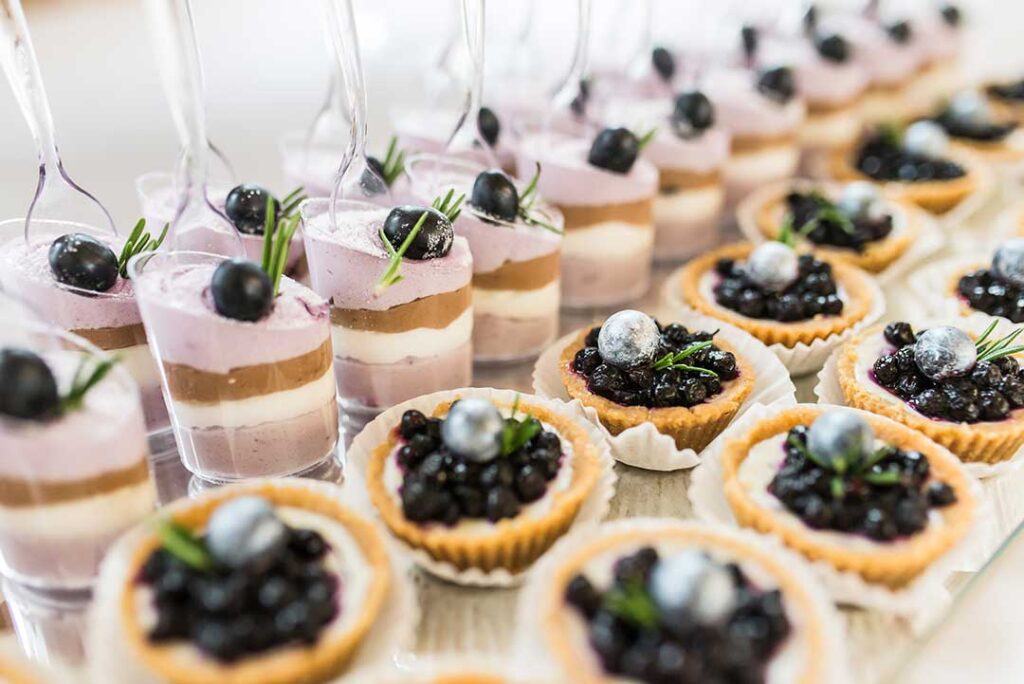
A memorable dessert table is less about having the largest selection and more about creating balance. Guests should see a pleasing mix of colors, textures, sizes, and flavors, with enough variety to accommodate different ages, appetites, and dietary needs.
For gatherings in Rolla, MO, planning also means considering seasonal temperatures, indoor and outdoor layouts, travel time, and the way desserts will hold up during a full event. A thoughtful display can look inviting while remaining easy to serve, replenish, and clean up.
What makes a dessert table memorable?
A successful dessert table combines visual appeal with practical organization. The display should give guests an immediate sense of what is available without making the table look crowded or difficult to use.
Several elements make the strongest difference:
- A clear theme or color palette
- A combination of individual portions and shareable desserts
- Different heights that create visual interest
- Labels for flavors and common allergens
- Serving utensils that match each dessert
- Enough open space for guests to reach items comfortably
A dessert table does not need to match every decoration at an event. Choosing two or three coordinating colors is usually enough. For example, neutral serving pieces with one accent color can create a polished appearance without requiring specialty decorations.
How many desserts should be included?
The right quantity depends on the number of guests, the event schedule, and whether dessert is the only sweet course. A useful planning range is two to three dessert portions per guest when other food is being served. If desserts are the main attraction or the event lasts several hours, three to five portions per guest may be more appropriate.
Variety matters more than offering a large number of separate recipes. A well-balanced table might include:
- One cake, pie, or other centerpiece dessert
- One soft or creamy option
- One crisp or chewy item
- One fruit-based choice
- One small individual sweet
- One option suitable for guests with a common dietary restriction
For a gathering of 30 people, that could mean a decorated cake, a tray of bars, a bowl of fruit, small cookies, and a modest selection of chocolate-dipped treats. The portions do not need to be identical, but the total quantity should reflect the expected appetite and meal timing.
Which desserts work well together?
A memorable selection usually includes contrast. If every item is rich, chocolate-based, or heavily frosted, guests may lose interest quickly.
Consider balancing:
- Rich and light flavors
- Soft and crisp textures
- Large centerpiece portions and small grab-and-go pieces
- Familiar favorites and one distinctive choice
- Sweet desserts and naturally tart or fresh ingredients
For example, a rich chocolate cake pairs well with fresh berries, lemon bars, or lightly sweetened whipped cream. A table of cookies and brownies can be balanced with sliced fruit or a simple chilled dessert.
Flavor repetition is not always a problem, but it should be intentional. Several apple-based desserts may suit a fall gathering, while a birthday table might use one main flavor and vary the textures instead.
How should the table be arranged?
Start with the largest or most visually important dessert, then build the rest of the layout around it. The centerpiece can be placed toward the back or slightly off-center, depending on the shape of the table.
Use sturdy boxes, cake stands, trays, or inverted serving bowls beneath table coverings to create different heights. Elevation helps guests see the selection and prevents smaller items from disappearing behind larger plates.
A practical arrangement often follows this order:
- Plates, napkins, and forks at one end
- Larger desserts near the center or back
- Smaller items in front
- Labels placed directly beside each dish
- Serving utensils positioned where guests can reach them
- A clear area for setting used plates or returning utensils
Leave enough space between dishes to prevent crumbs, frosting, and serving tools from becoming mixed. A crowded table may look abundant at first, but it becomes difficult to maintain once guests begin serving themselves.
How can desserts be kept safe outdoors?
Outdoor dessert tables require extra attention during warm weather. Frosting, whipped cream, custards, cream cheese fillings, and fresh-cut fruit can become unsafe or lose their shape if left warm for too long.
Keep temperature-sensitive desserts chilled until close to serving time. Use insulated containers or ice-filled serving trays when appropriate, while keeping melting ice away from food and serving surfaces.
In Rolla, seasonal heat and humidity can affect both food safety and presentation. Chocolate may soften, buttercream can lose structure, and crisp cookies may become less crisp in damp conditions. During warmer months, choose desserts that tolerate room temperature more easily, such as sturdy bars, unfrosted cakes, cookies, and certain fruit pies.
Protect all food from direct sunlight, wind, insects, and dust. A shaded indoor location is often more reliable than an outdoor table, especially for events that last several hours.
What should be labeled?
Labels help guests make quick decisions and reduce uncertainty about ingredients. Each dish should have a clear name, and useful details can be added when relevant.
Consider identifying:
- Nuts or peanuts
- Dairy
- Eggs
- Wheat or gluten-containing ingredients
- Common fruit allergens
- Alcohol-based flavorings
- Vegan or dairy-free options
Avoid describing a dessert as allergen-free unless its preparation has been carefully controlled. Even when a recipe does not contain a particular ingredient, shared utensils, pans, counters, or storage containers can create cross-contact.
For children’s events, simple labels are especially helpful. Names such as “lemon bars,” “chocolate chip cookies,” or “strawberry shortcake cups” are easier to understand than decorative names alone.
How can a dessert table fit a household budget?
A coordinated table does not require expensive specialty desserts. Cost can be managed by selecting one centerpiece and filling out the display with simple items made in batches.
Sheet cakes, brownies, cookies, rice-based treats, seasonal fruit, and loaf cakes can provide generous portions without requiring elaborate decoration. Individual desserts may look polished when placed in uniform liners or small cups, even when the recipes are simple.
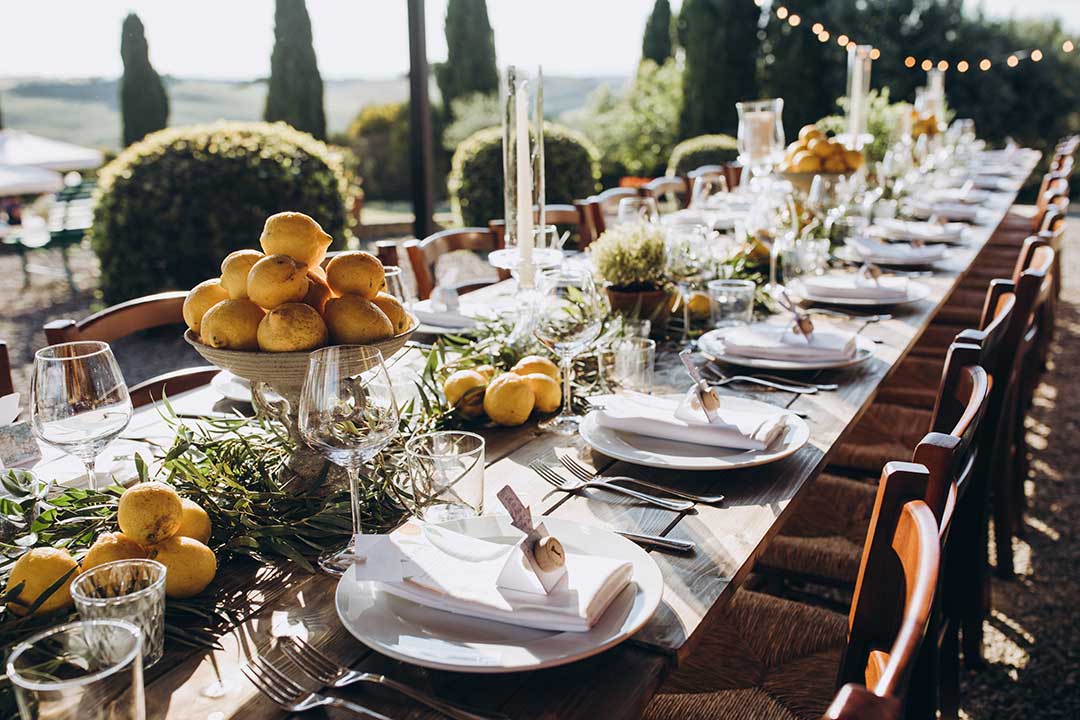
Decorations can also be restrained. Fresh fruit, paper labels, cloth napkins, seasonal flowers kept away from food, or a clean table covering may provide enough visual interest. The food should remain the focus.
Planning portions carefully prevents both shortages and unnecessary leftovers. If a main meal has already been served, smaller dessert portions often work better than oversized slices.
What are common dessert table mistakes?
The most frequent problems are usually practical rather than decorative. A table can look attractive but still be difficult for guests to use.
Common mistakes include:
- Providing only rich or overly sweet choices
- Forgetting serving utensils
- Placing labels too far from the correct dish
- Using unstable cake stands or crowded trays
- Leaving refrigerated desserts out too early
- Choosing delicate desserts for hot or humid conditions
- Making every item a single large dessert that requires cutting
- Failing to plan for children, older guests, or guests with dietary restrictions
It is also easy to underestimate cleanup. Place extra napkins nearby, use trays that can be carried safely, and keep containers available for leftovers. Desserts that are already portioned are usually easier to store after the event.
How far ahead should the table be planned?
The menu can be chosen several days in advance, but the final setup should be planned according to the desserts being served. Shelf-stable cookies, bars, and unfrosted cakes can often be prepared earlier than whipped or custard-based desserts.
A simple timeline may look like this:
- Several days ahead: choose the menu, serving pieces, labels, and table location
- One to two days ahead: prepare sturdy desserts and organize decorations
- The day before: bake or assemble items that hold well overnight
- Event day: chill temperature-sensitive desserts and arrange the table shortly before serving
Before guests arrive, check that the table is stable, the serving path is clear, and no dessert is exposed to excessive heat. A little planning allows the display to feel relaxed rather than rushed.